
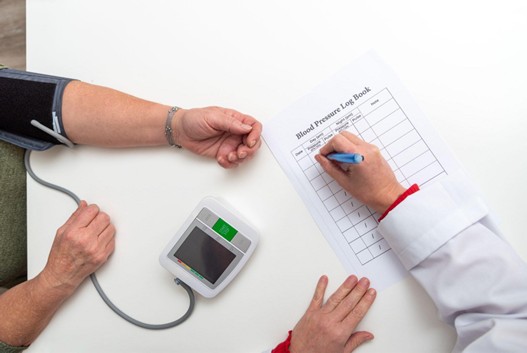
We view prevention as a partnership: you bring your goals and concerns; we bring medical expertise, guidance, and accountability. Over time, this partnership builds a strong foundation for preventing chronic illness.
I am always healthy, so why do I need to see a doctor anyway?
Good question.
Let’s look over this case study:
Patient Profile
A 62-year-old woman, let’s call her Betty, with no significant past medical history, had not established care with a primary care provider and had not attended routine preventive visits for over a decade. She reported feeling healthy and did not seek medical care unless acutely ill.
Missed Preventive Opportunity
At age 50, Betty became eligible for routine colorectal cancer screening per national guidelines. Without annual primary care visits, screening was never discussed or initiated. Over time, a precancerous lesion progressed silently.
Critical Presentation
Betty presented to the emergency department with severe abdominal pain, unintentional weight loss, anemia, and bowel obstruction. Imaging and colonoscopy revealed advanced colorectal carcinoma with regional lymph node involvement.
Impact of Absent Annual Care
Annual primary care visits would have prompted age-appropriate cancer screening, potentially identifying precancerous polyps or early-stage cancer when treatment is less invasive and survival rates are significantly higher.
Outcome
Betty required emergent surgery, followed by chemotherapy. Her prognosis was guarded due to late-stage diagnosis. The disease and treatment significantly affected her quality of life and functional status.
Conclusion
This case highlights the life-saving role of routine primary care. Annual checkups enable timely cancer screening, early diagnosis, and intervention—dramatically improving outcomes for conditions that may remain asymptomatic until advanced stages.
Take aways from this case:
- What role does a PCP play in prevention?
PCPs identify screening eligibility, educate patients, order or refer for appropriate tests, track completion, and follow up on abnormal results.
- What is the key lesson for patients from this case?
Feeling well does not eliminate the need for preventive care. Regular primary care visits could detect life-threatening conditions early, when treatment is most effective.
- What system-level improvement could help prevent similar cases?
Establishing a regular relationship with a PCP, improving screening reminders, and reducing barriers to preventive care access.
When you come to City Care Family Practice, there are many steps to prepare for your appointment that involves the whole team! For example, our medical assistants are tasked with ensuring that all your tests and reports are in your account so that you and the provider can review them during your appointment. This helps you and your provider maximize your time to help build your roadmap to wellness. Everyone is different. Every road map is different, however it is up to you to take the first step on this journey to being a “picture of health.”
Contact & Location — City Care Family Practice
Address
City Care Family Practice
461 Park Ave South, Floor 9
(at 31st Street)
New York, NY 10016
Phone
(212) 545-1888
Website
https://citycarefamilypractice.com/ City Care Family Practice
Languages Offered / Other Info
We provide services in English, Japanese, and Burmese.
Hours & Appointments
Open six days a week; same-day slots are often available.
Use our online booking or call us to schedule your initial visit. City Care Family Practice